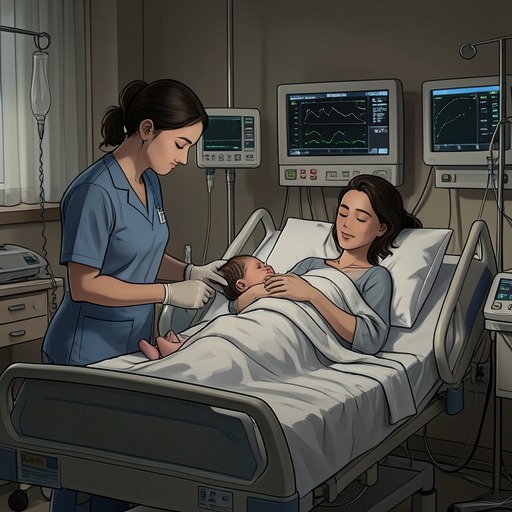
Emma undergoes brain surgery
Tiny Beautiful Things: Advice on Love and Life from Dear SugarEmma’s brain surgery is the turning point in a family’s sudden confrontation with the possibility of losing a child. The operation brought encouraging news, but it did not erase the uncertainty surrounding Emma’s health or settle her mother’s conflicted hopes about prayer and belief.
Background and Stakes
Emma was six months old when her parents learned she had a brain tumor. Her mother wrote from a couch-bed in the Pediatric Intensive Care Unit at Egleston Children's Hospital in Atlanta, the day before the scheduled surgery. She feared that Emma might die, become paralyzed, suffer lasting developmental effects, or need chemotherapy if the tumor proved cancerous. The prospect of serious illness in so young a child had overturned what the parents had imagined their lives would hold.
The Operation and Immediate Outcome
In a follow-up letter, Emma’s mother reported that the surgery had gone well and that doctors thought the tumor was benign. They left a small portion in place because it was attached to a blood vessel and removing it risked permanently paralyzing Emma. The decision marks the limits as well as the success of the operation: the immediate danger had eased, but the tumor had not been entirely removed.
Emma recovered so well that even her doctors seemed surprised. Her family expected to leave the hospital the following day. The report offered substantial relief, while remaining provisional: her mother still asked readers to pray that the tumor would not return.
Aftermath and the Question of Faith
The surgery’s outcome sharpened rather than resolved Emma’s mother’s uncertainty about God. Before the operation, she said that God was far from her thoughts and questioned how a God could allow a baby to face potentially life-threatening surgery. Afterward, she hoped that the good news and prayers might be signs of divine presence, but worried that treating the outcome as proof would mistake coincidence for certainty.
She continued to pray for Emma’s recovery and for children facing serious illness, without claiming that prayer had caused the favorable result. The event therefore ends in qualified hope: Emma is recovering, doctors consider the tumor likely benign, and her family can anticipate going home, but the possibility of recurrence and the mother’s unresolved questions remain.